
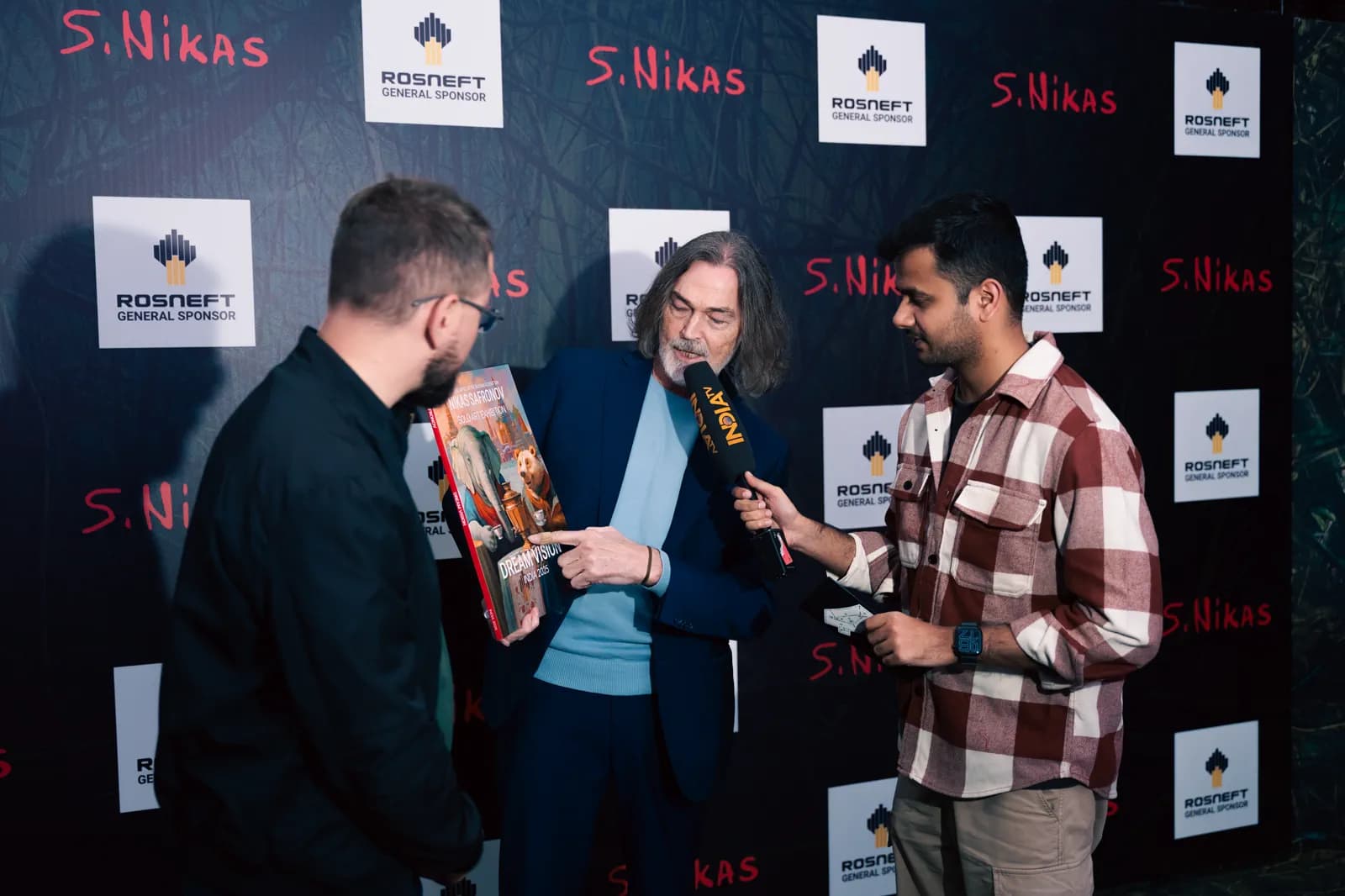
Dream Vision in India: Nikas Safronov's triumphant international success
Nikas Safronov's exhibitions in India became one of the loudest cultural events of the season and a vivid example of the international success of contemporary Russian art. The Dream Vision project drew record audiences, generated wide public and media attention, and confirmed strong interest in the artist's work abroad.
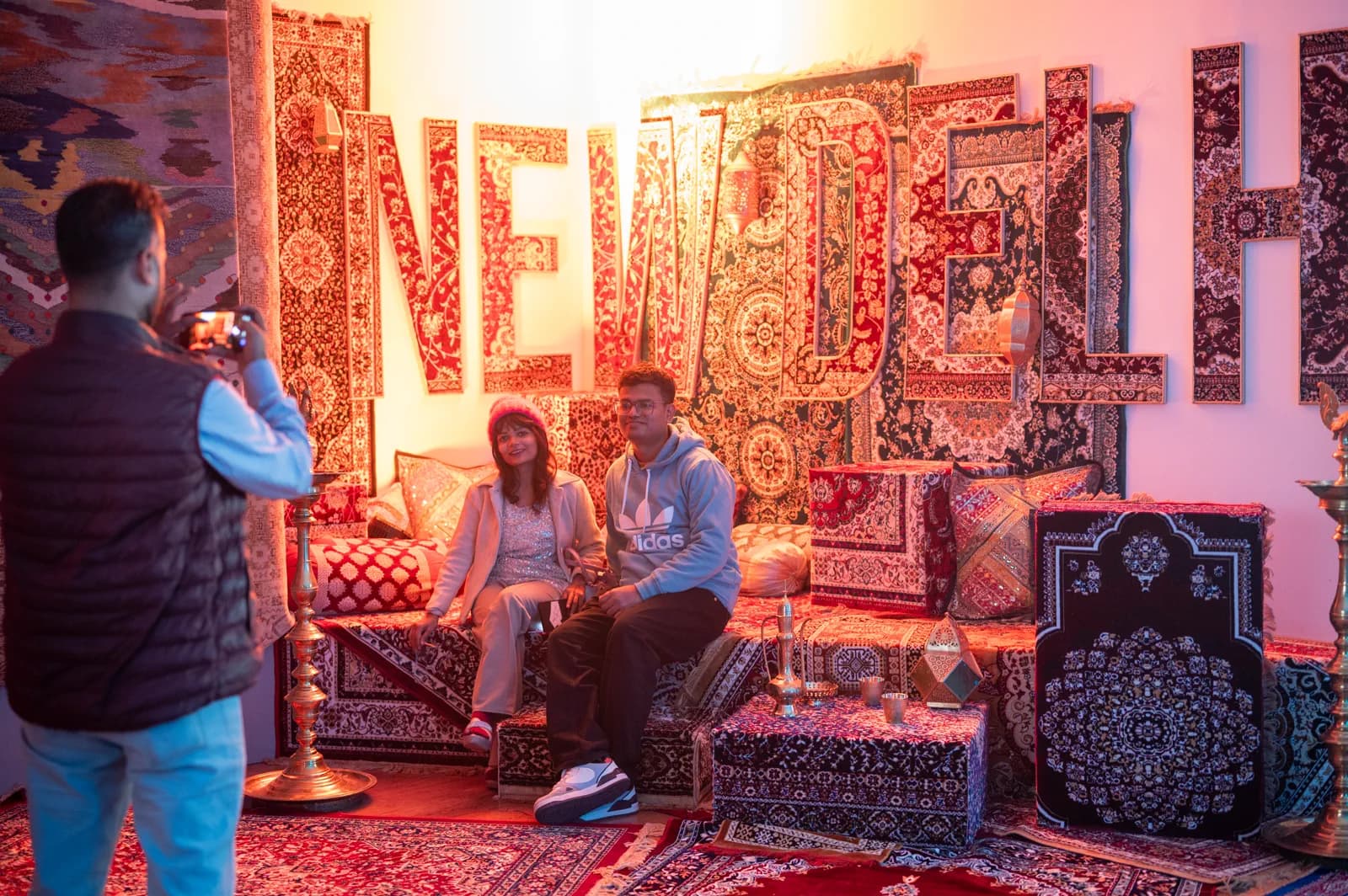
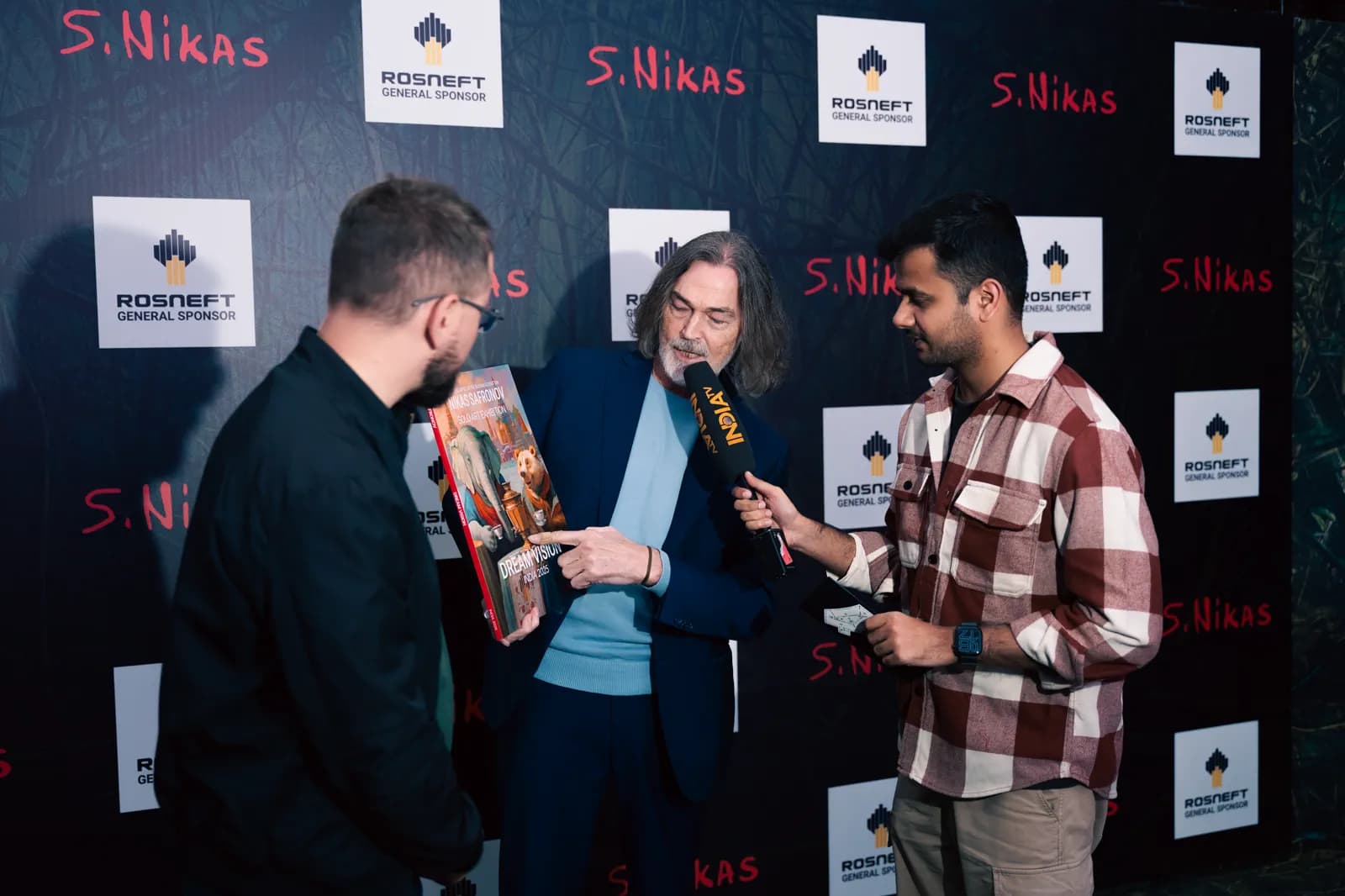
The project unfolded in two of India's largest cultural centers. The first exhibition took place in New Delhi at Lalit Kala Akademi from December 7 to 21, 2025, and the second in Mumbai from December 25, 2025 to January 15, 2026 at the National Gallery of Modern Art (NGMA). Rosneft served as the organizer and official partner, playing a key role in the exhibitions' realization and international positioning.
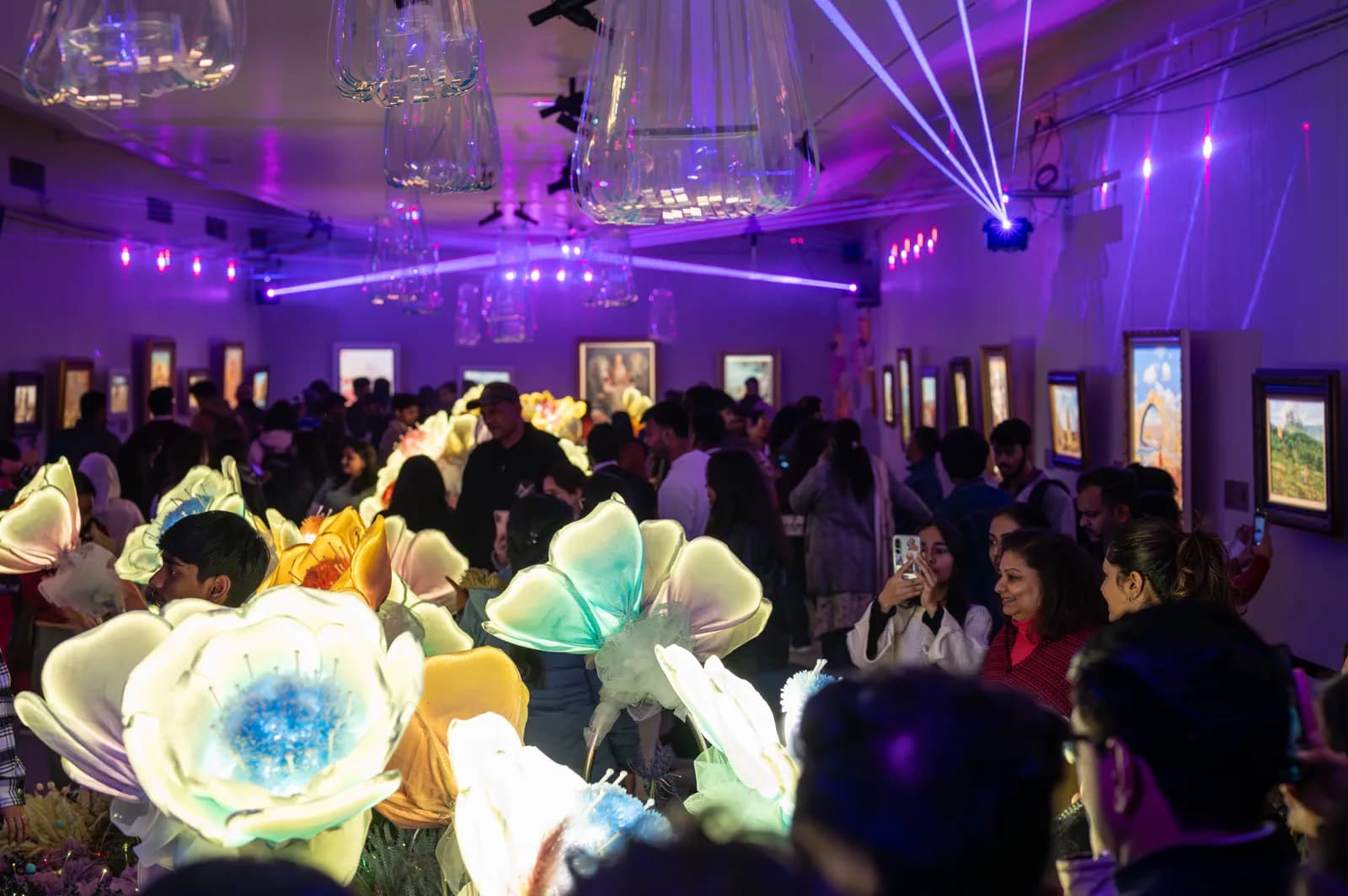
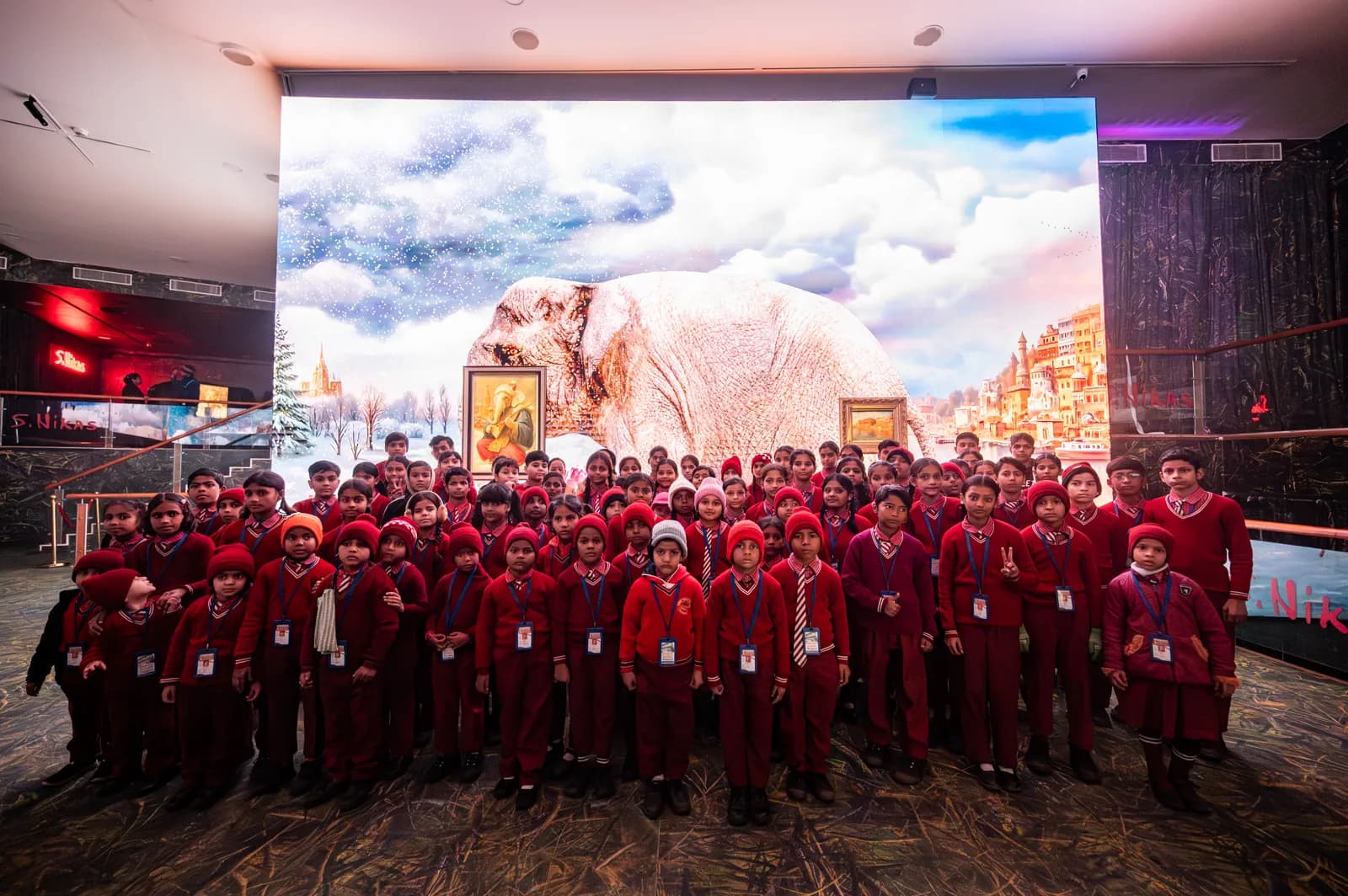
The exhibitions became a gift to the Indian public, with free admission throughout. This decision made it possible to attract an unprecedented number of visitors. Over the course of a month, the New Delhi and Mumbai shows welcomed around 700,000 people: more than 560,000 in Delhi and over 100,000 in Mumbai. Such numbers rival major world-class museum projects and are extremely rare for international contemporary art exhibitions.
The scale of the project's success was echoed across the media. The opening of each exhibition was covered on the front pages of The Times of India and The Economic Times. Grazia, Esquire, and other leading publications also wrote about the project. On social media, Dream Vision sparked a real boom: major Indian bloggers and opinion leaders shared their impressions, turning the exhibitions into one of the season's most discussed cultural events.
"I am sincerely grateful to the Indian public for their incredible response and warm reception. This success inspires me and gives me confidence that Dream Vision will be just as sought after in Europe."
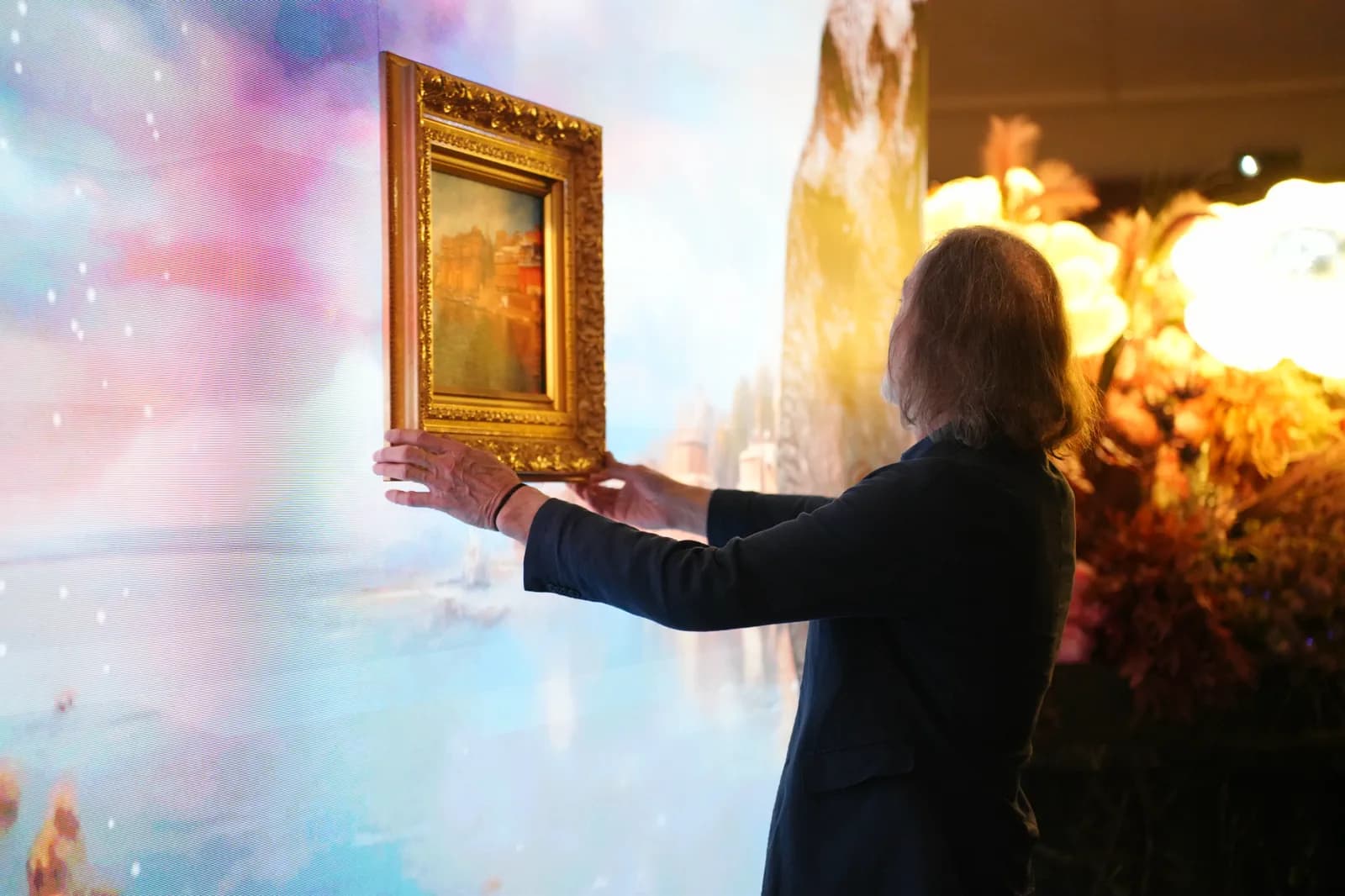
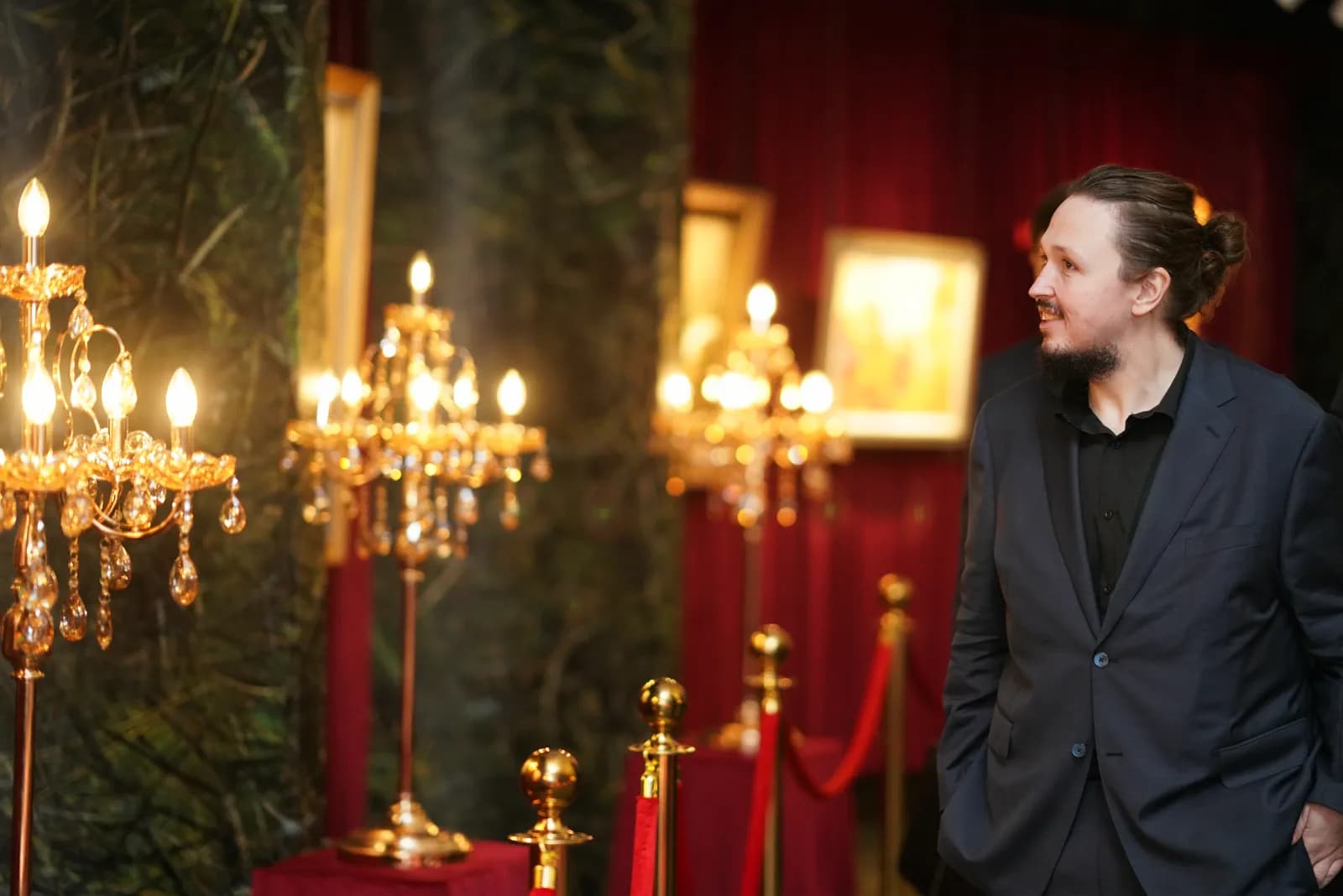
The project stood out for its technological sophistication. The exhibitions were built on a synergy of classical painting and contemporary multimedia solutions: light, sound, video installations, LED screens, and digital technologies created a full immersion effect. A special scenography was developed for Mumbai's NGMA with the building's UNESCO-protected architecture in mind, amplifying the impact of the exhibition.
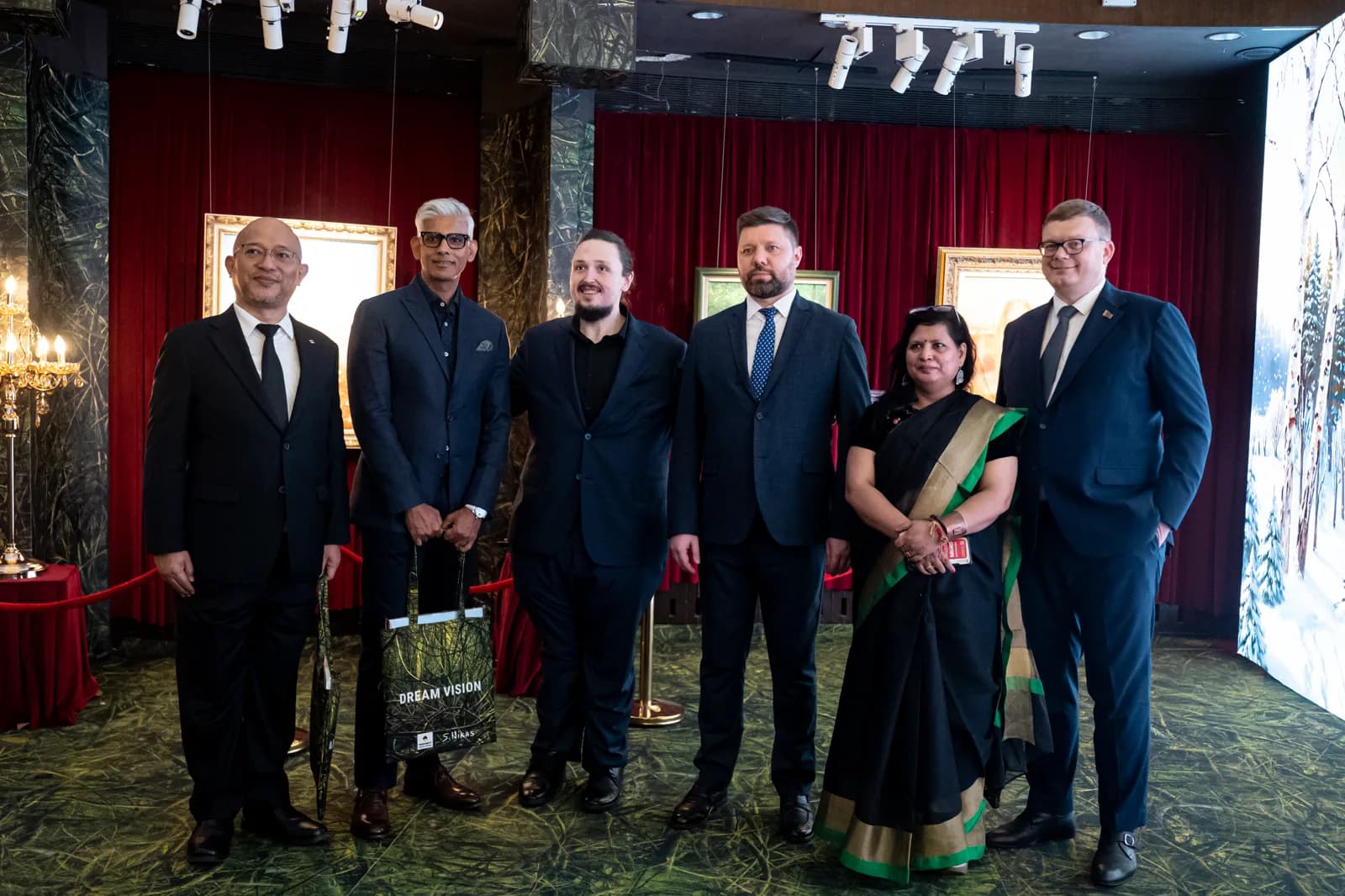
Particular interest centered on works created especially for the Indian audience, in which the artist combined the cultural and visual codes of Russia and India. Critics described the series as an example of a subtle artistic dialogue between civilizations. The exhibitions were visited by representatives of major media outlets, art critics, curators, collectors, cultural figures, and members of governmental and diplomatic circles.
The project became an important event not only in artistic life but also in India's broader public sphere. It received high praise from the Ministry of Culture and Tourism of India, and the country's Minister of Culture and Tourism, Gajendra Singh Shekhawat, visited the exhibition in person. Rosneft made a significant contribution to the project's success, enabling the exhibitions to be delivered at a high museum and technological standard with broad international visibility. The experience became an example of effective Russian business participation in cultural diplomacy.
The Indian chapter of Dream Vision became the starting point for a series of international exhibitions by the artist. Upcoming plans include projects in Europe, including Italy, where interest in Safronov's work remains consistently high. The Indian experience has already become an example of how an art project can function simultaneously as a major cultural event, a space for dialogue, and an instrument of cultural diplomacy.
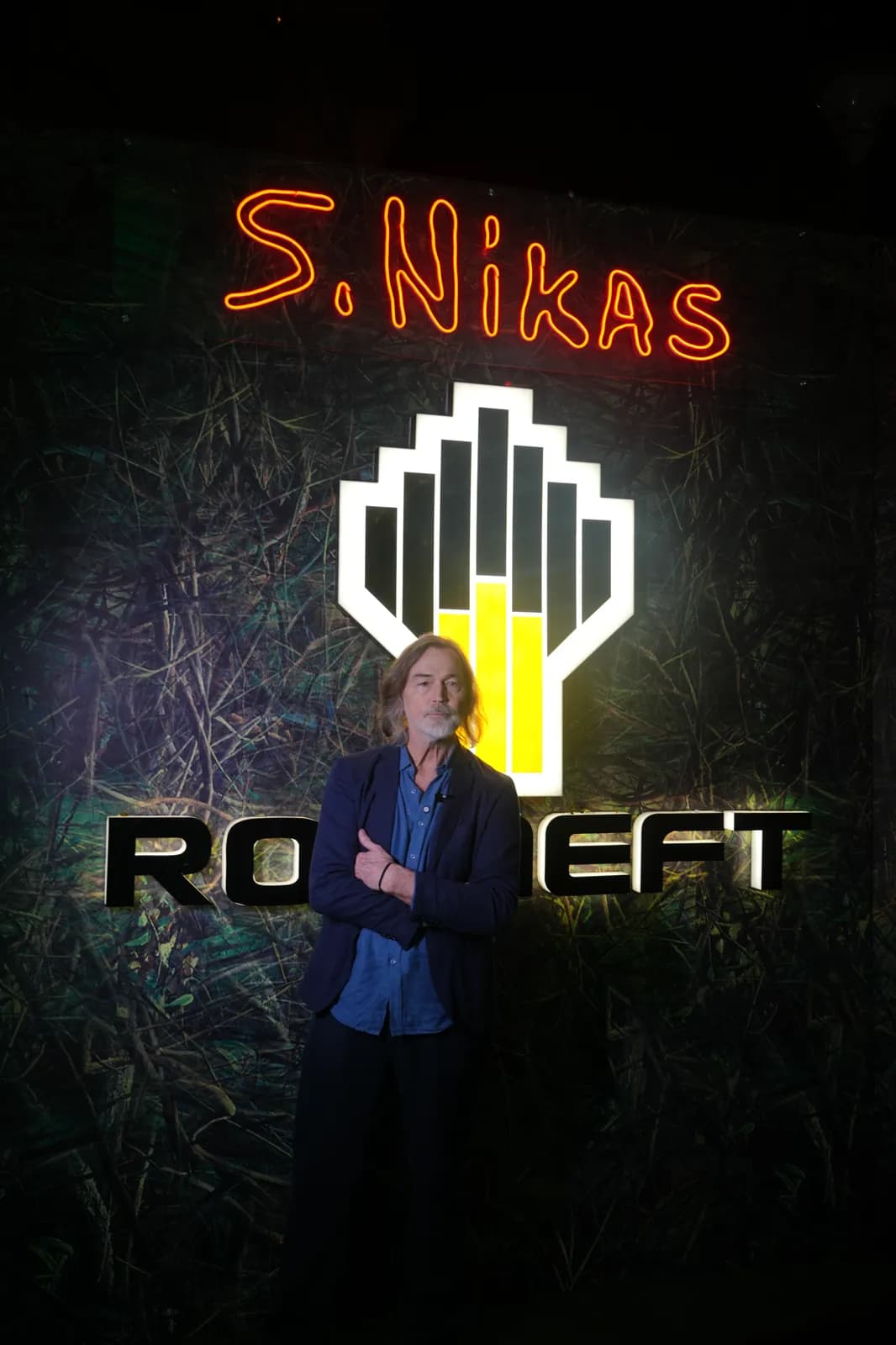
The project received extensive coverage in major international, Russian, and Indian media:
International and Indian media:





Russian media:



The project's total media reach exceeded 40 million people.
Official press release
ZIP • 4.05 МБ
Official press release with text and photo materials for publication.